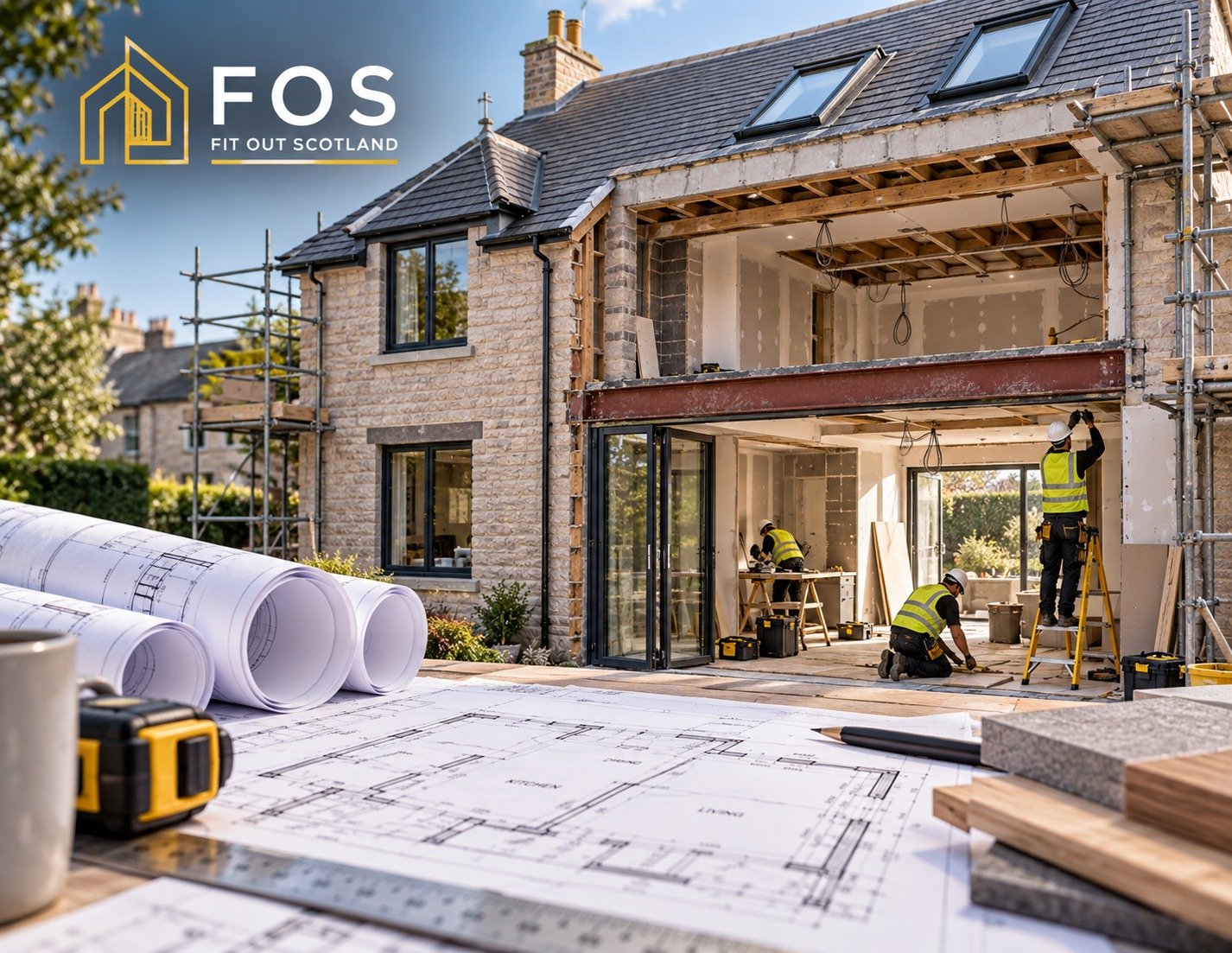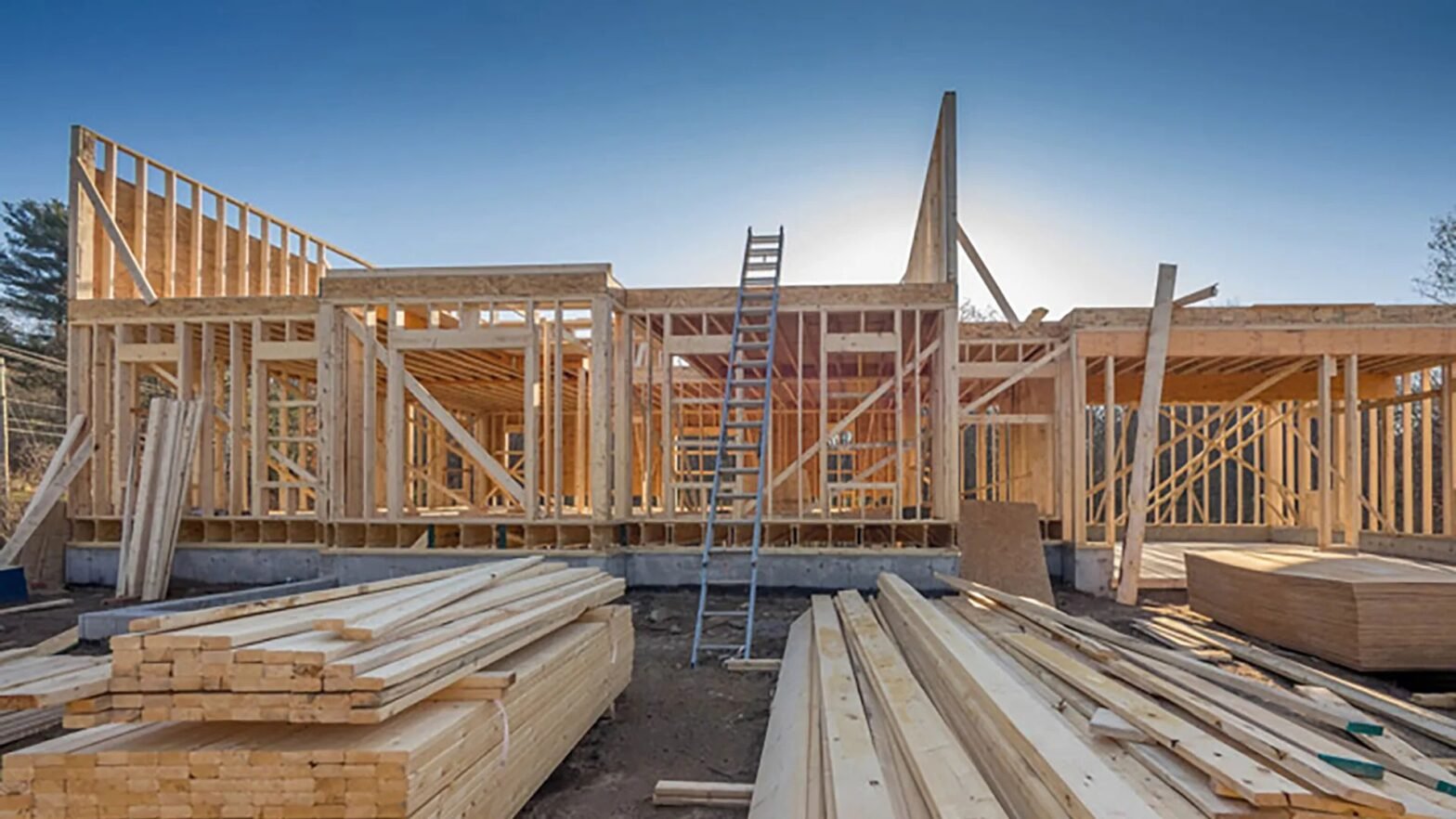
Edinburgh is a city where traditional architecture meets modern living. From historic townhouses to contemporary family homes, homeowners are increasingly looking for ways to improve their properties while preserving their character. Professional Residential construction in Edinburgh can help turn these plans into practical living spaces that meet changing family needs, improve functionality, and add long-term value to a property.
Whether you are planning a home extension, upgrading an older property, or considering a complete renovation, understanding the construction process is essential. Careful planning, suitable materials, and experienced tradespeople can make a significant difference to the quality and success of a residential project.
1. Understanding Your Property’s Potential
Before starting any construction work, take time to understand what your property needs and what improvements are possible. Some homeowners need additional bedrooms, while others want a larger kitchen, a more practical living area, or better use of unused space.
A property assessment can help identify structural considerations, layout limitations, and opportunities for improvement. Older Edinburgh homes may have distinctive architectural features that require particular care during renovation. Retaining original details while introducing modern facilities can create a balanced result.
It is also important to establish a realistic budget and project timeline. Having a clear idea of your priorities makes it easier to decide which improvements should be completed first.
2. Planning Residential Refurbishment Projects
Refurbishment is an effective way to improve an existing home without necessarily changing its overall footprint. Residential refurbishments in Edinburgh can involve anything from updating individual rooms to carrying out extensive improvements throughout a property.
Common refurbishment projects include:
- Modernising kitchens and bathrooms.
- Replacing outdated flooring and finishes.
- Improving internal layouts.
- Updating walls, ceilings, and decorative features.
- Making living areas more practical and comfortable.
- Improving the overall appearance of the property.
The right refurbishment approach depends on the property’s condition and the homeowner’s objectives. A carefully planned project can make an older home feel more modern while maintaining the features that give it personality.
3. Why Home Extensions Are Worth Considering
When a family needs more space, moving house is not always the preferred solution. A home extension can provide additional room while allowing homeowners to remain in a familiar neighbourhood.
Popular extension ideas include kitchen extensions, additional bedrooms, expanded living rooms, and dedicated home offices. The design should complement the existing property rather than appear disconnected from it.
Before proceeding, homeowners should consider the available outdoor space, access requirements, structural implications, and any planning permission or building warrant requirements that may apply. Getting the necessary advice early can help prevent delays and unexpected costs later.
4. Choosing Suitable Materials and Finishes
Materials influence both the appearance and durability of a residential construction project. Choosing suitable products is particularly important when working with properties that have traditional architectural features.
For example, flooring, windows, wall finishes, and external materials should be selected according to the building’s style and practical requirements. Modern materials may offer improved maintenance and performance, while traditional finishes can help preserve the original character of an older property.
Homeowners should consider more than the initial purchase price. Durability, maintenance needs, appearance, and suitability for the property are all important factors when comparing materials.
5. Improving Comfort and Energy Efficiency
A residential improvement project provides an opportunity to make a home more comfortable and energy efficient. Insulation, suitable glazing, effective ventilation, and modern heating solutions can all contribute to a better indoor environment.
Older properties may have areas where heat escapes or ventilation is inadequate. Identifying these issues during the planning stage can help homeowners include appropriate improvements within the project.
Energy-efficient upgrades may also help reduce energy consumption over time. However, the most suitable solutions depend on the building’s construction, condition, and existing systems.
6. The Importance of Professional Project Planning
Successful construction depends on more than the physical work. Planning, communication, scheduling, and coordination are equally important.
Before work begins, homeowners should establish the project scope, agree on priorities, and understand which stages need to be completed. Where multiple trades are involved, their work should be coordinated carefully to avoid unnecessary delays or conflicting tasks.
It is also sensible to discuss potential disruptions, access arrangements, waste removal, and site safety. Clear communication between the homeowner and construction professionals helps keep expectations realistic throughout the project.
7. Adding Long-Term Value to Your Home
Well-considered residential improvements can make a property more attractive and functional. Additional living space, updated interiors, improved layouts, and better energy performance may all contribute to its appeal.
However, homeowners should focus on improvements that suit the property and the needs of the people living in it. A stylish renovation is valuable, but practical decisions often have the greatest impact on everyday comfort.
It is worth considering the local property style and surrounding area when making major design choices. Improvements that complement the character of the neighbourhood can create a more cohesive result.
Conclusion
Residential construction and refurbishment offer Edinburgh homeowners many ways to improve their living spaces. From modernising interiors to creating additional rooms, the right project can make a home more comfortable, practical, and visually appealing.
The key is to begin with clear goals, plan the work carefully, choose suitable materials, and coordinate each stage effectively. With the right preparation and professional support, homeowners can transform their properties while maintaining the features that make them distinctive.