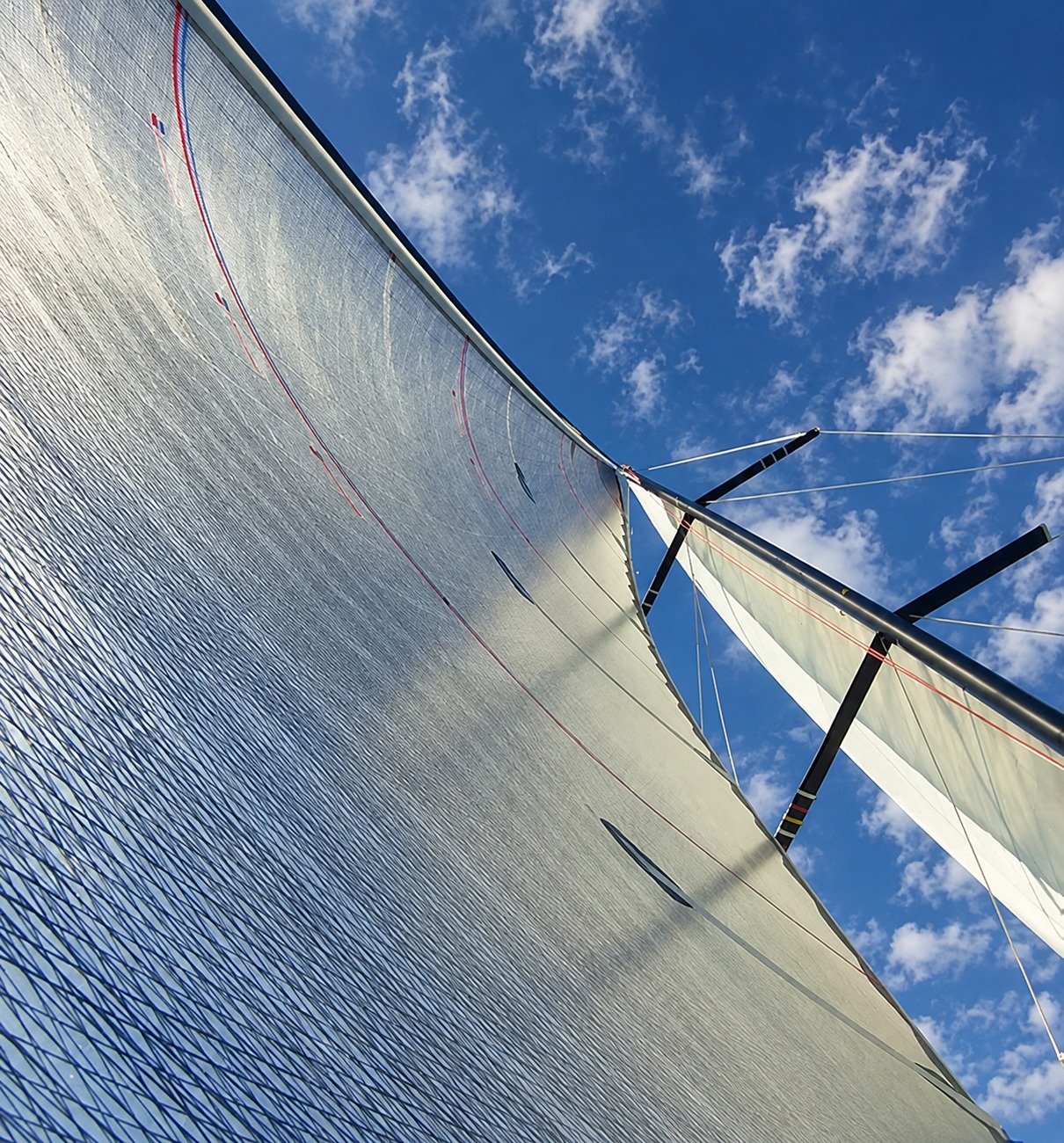
Modern sailmaking relies on a close connection between design accuracy and manufacturing quality. A sail must have suitable geometry, fit the boat’s rig, and be translated into panels that can be assembled according to the intended specifications. Sailpack Sail Design reflects the growing role of digital design methods in helping sailmakers organize sail geometry, develop panel layouts, and prepare information for production.
Digital workflows can simplify many technical stages of sailmaking, from reviewing measurements to preparing manufacturing files. When combined with practical experience and reliable production procedures, these tools help businesses manage design details more consistently and reduce avoidable errors.
Understanding the Digital Sail Design Process
Digital sail design begins with gathering information about the boat, its rig, and the sail’s intended purpose. Designers use these details to establish dimensions and develop a model that represents the sail’s required geometry.
The process may involve defining the luff, leech, and foot dimensions, considering the rig configuration, and determining how the sail should be shaped for its intended application. Cruising sails, racing sails, and specialized sails may have different design priorities, so the process must reflect the customer’s requirements.
Once the necessary information has been collected, digital design software can help organize the geometry and evaluate the proposed sail. Depending on the software, designers may also be able to visualize the model in three dimensions and prepare information for subsequent manufacturing stages.
This structured approach helps create a clear connection between the initial design concept and the physical sail.
Why Accurate Measurements Matter
Accurate measurements are the foundation of a successful sail design. Even a carefully developed digital model can produce an unsuitable result if the original dimensions do not accurately represent the boat and its rig.
Relevant measurements depend on the sail type but may include luff length, foot length, leech length, mast position, attachment points, and other rig-specific details.
Before developing the model, the designer and sailmaker should verify the critical dimensions and clarify any unusual aspects of the vessel. This is particularly important for older boats, modified rigs, or custom projects where standard measurements may not provide enough information.
Reliable measurements help ensure that the sail’s dimensions and attachment points are appropriate. They also reduce the likelihood of fitting problems that could require adjustments after manufacturing.
Digital systems make it easier to manage and reuse measurement data, but careful verification remains essential.
Developing Sail Geometry Before Production
Sail geometry determines the overall shape of the sail and influences how it interacts with the wind. Factors such as draft depth, curvature, twist, and the distribution of shape across the sail contribute to its intended performance characteristics.
Digital models allow designers to examine these elements before production begins. Where suitable visualization features are available, the designer can review the model from different angles and compare design alternatives.
This can be useful when a sail needs to meet specific performance or handling requirements. For example, a sail designed for recreational cruising may prioritize manageable handling and durability, while a racing sail may require more specialized shape characteristics.
However, the digital model should not be treated as a guarantee of real-world performance. Material stretch, construction methods, loading conditions, and sail trim also affect the final result. Professional judgment is necessary to ensure that the proposed geometry is practical for the intended application.
From Sail Geometry to Panel Development
After the overall design has been established, the next important stage is translating the sail shape into individual panels. Panel development determines how the sail will be divided for construction and how those sections will fit together.
The panel arrangement depends on the sail’s design, selected material, construction method, and production capabilities. Designers may need to consider seam placement, panel orientation, reinforcement areas, and the practical limitations of the available fabric.
A well-organized panel layout helps production teams understand how the sail should be assembled. It also supports consistent manufacturing by providing a clear structure for cutting and joining the individual sections.
Digital tools can help manage this information more efficiently than a workflow that relies entirely on separate manual drawings. Nevertheless, panel details should be reviewed against the chosen construction method before production is approved.
Preparing Production-Ready Files
A digital sail model must eventually provide information that the manufacturing team can use. Depending on the software and agreed workflow, production deliverables may include panel layouts, cutting patterns, dimensional specifications, and related technical documentation.
These files should be complete, clearly organized, and compatible with the sailmaker’s software and equipment. If a design is intended for automated cutting, the required file format and production settings should be confirmed in advance.
It is also important to identify the approved version of each file. When revisions occur, outdated layouts should not be confused with the final design.
A structured approval process helps ensure that the manufacturing team works from the correct information and that important changes are communicated before material is cut.
Reducing Material Waste and Rework
Material management is an important consideration in sailmaking because fabric and specialized sailcloth can represent a significant part of production costs.
Careful panel planning can help sailmakers organize material usage while respecting the construction requirements of the sail. Depending on the material and manufacturing method, panel orientation and layout may affect how efficiently the fabric can be used.
Digital planning also helps reduce errors that might otherwise lead to incorrectly cut panels or repeated production work. Identifying dimensional issues before cutting is generally easier than correcting them after several components have been manufactured.
Although digital tools cannot eliminate all waste, combining accurate data with a careful review process can support more efficient use of materials and workshop resources.
Improving Communication Between Design and Production Teams
The transition from digital design to physical manufacturing involves several people and processes. Designers need to communicate technical requirements clearly, while production teams must understand how to interpret the supplied files.
Standardized documentation can make this coordination easier. Clear specifications, agreed file formats, and defined approval stages help ensure that everyone works toward the same result.
If a production team identifies a potential issue with panel dimensions, seam arrangements, or material requirements, the concern should be addressed before manufacturing continues. Recording revisions also helps maintain a reliable project history.
This collaboration is especially valuable for customized sails, where requirements may differ significantly between projects.
Combining Digital Technology with Practical Expertise
Digital sail design can improve organization and consistency, but it works best when supported by experienced sailmakers and designers. Technical knowledge is required to interpret measurements, understand material behavior, evaluate construction limitations, and determine whether a design is suitable for its intended use.
Software can help visualize geometry and prepare manufacturing information, but the quality of the result still depends on reliable input data and careful decision-making.
A balanced workflow combines digital modeling with measurement checks, material knowledge, production review, and final quality control.
Conclusion
Moving from digital sail models to production-ready panels requires accurate measurements, appropriate sail geometry, careful panel development, and clear manufacturing documentation. Each stage contributes to the quality and reliability of the finished sail.
Digital design methods can help sailmakers organize technical information, manage revisions, and coordinate design work with production. When these capabilities are combined with practical expertise and systematic quality checks, they support a more efficient and consistent sailmaking process.
